

Eating healthy doesn’t have to be complicated. The simplest route is focusing on variety. Swap out the usual food ruts with a colorful plate filled with fruits and veggies from the grocery store. Nailing this simple hack gives your body a mix of essential nutrients.
Portion control is another ace tip. Balancing your meals means you’ll feel satisfied without going overboard. More importantly, it’s your shield against mindless overeating, keeping your health goals in check without any drastic measures.
Another tip? Keep hydrated! Water’s your buddy. Skip the sugary stuff like soda or overly sweetened iced teas. Water does a fantastic job of keeping you feeling great and helps your body run smoothly. Click here for our favorite water bottle that helps you track your daily water intake!
When it’s snack time, think fresh and satisfying. Nuts, fruits, or a cozy cup of yogurt fit the bill. These choices help avoid the typical pitfalls of empty calorie snacking like chips or candy.
Timing is everything! Regular meal schedules can work wonders for your metabolism and energy levels. Consistent eating patterns help manage hunger and stabilize your energy throughout the day.
Comfort Food Reimagined: Healthy Swaps Made Easy
Comfort food doesn’t have to mean unhealthy. With a few clever changes, you can enjoy these favorites without packing on the calories. Let’s look at some tasty swaps that keep the comfort but boost the health factor.
Start with pasta. Whole-grain options are an excellent swap for traditional pasta, offering more fiber and nutrients. You won’t even notice the difference, and your heart will thank you for it.
Craving fries? Switch to baked sweet potato fries. They’re easy to make crispy and delicious without the guilt of deep frying. A little bit of seasoning is your best friend here.
If it’s creaminess you desire, head for the low-fat Greek yogurt. It’s a versatile sub for sour cream, adding a creamy texture without the extra fats. Plus, it’s packed with protein!
Spices and herbs are your flavor boosters. Ditch the excessive salt, and let these natural wonders do the talking. They add pizzazz to your meals—and a splash of color too.
Lastly, there’s cauliflower rice. This one’s a game-changer for those who love their rice dishes. It’s lower in carbs and gives a great texture. Cook it with a bit of garlic and olive oil, and you’ve got yourself a tasty rice alternative that’s far more nutritious. Click here for our favorite rice cooker!
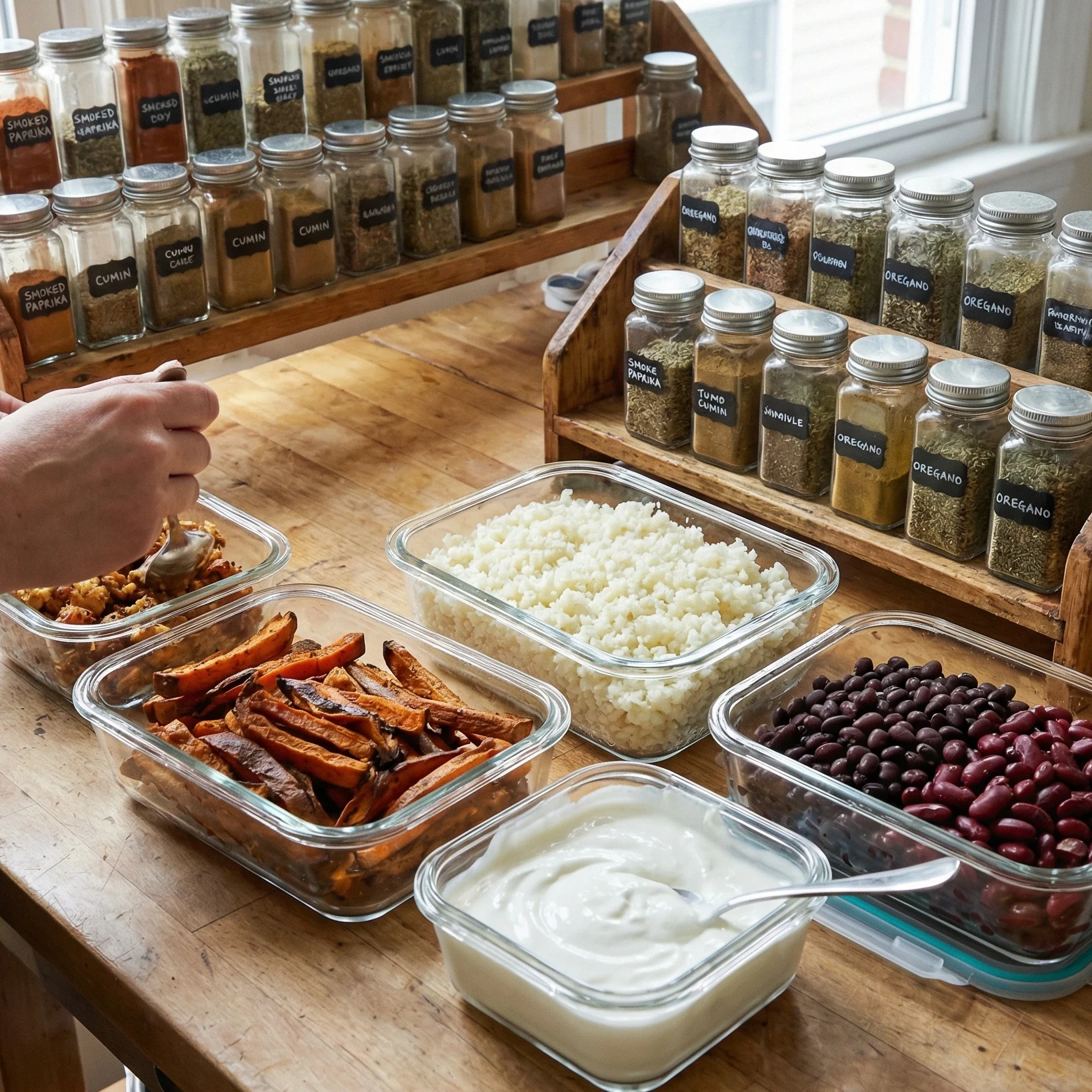
The Foundations of Survival: Two Essential Foods
When pondering survival, beans and rice make an unbeatable duo. These humble foods can power you through tough times, providing a balance of protein and carbohydrates. A nutrition powerhouse in every sense.
Beans and rice don’t just keep life ticking over; they’re affordable and can be stored for ages. This makes them fantastic staples in any pantry, ready to whip up into countless meals.
From burritos to soups, these staples morph into different cuisines with ease. Add some spices or herbs, and you’re set for a culinary adventure without leaving home.
While the flavors are simple, there’s an art to getting the most out of them. Adding healthier fats like a drizzle of olive oil can amplify dishes without overwhelming them. This adds a rich depth and keeps your body nourished as you chow down.
The convenience can’t be beat—you can cook up a big batch, munch on it throughout the week, and still look forward to your meals. Easy on the wallet, good for the body, and ready for anything life might throw your way.
Choosing Healthier Fats for a Balanced Diet
When it comes to fats, the ones you choose make a world of difference to your health. Unsaturated fats are the stars of the show here. They’re the kind found in nontropical vegetable oils like olive, canola, and corn oils. These guys are great for your heart and keep your meals tasty without the unhealthy baggage.
The trick is knowing how to spot the bad fats. Keep a lookout for saturated and trans fats. These sneak into your diet through hydrogenated oils, commonly found in processed foods. It’s a good idea to steer clear of those when possible.
Switching to nonstick cooking spray is a quick win in the kitchen. It gives you a flavorful cooking surface without the heavy grease of butter or shortening. Less fat, more flavor—a perfect combo for everyday cooking.
Healthy fats aren’t just for drizzling—they can be part of dressings to elevate salads. Mixing unsaturated oils with vinegar in a 3:1 ratio brightens up any salad without loads of calories. Want something creamy? Whip up a dressing with low-fat sour cream or cottage cheese, jazzed up with fresh herbs for a creamy delight.
By sticking with healthier fats, you’re setting your meals up for success. It’s a small change with a big impact, making your everyday cooking not just nourishing but delicious too.
Reducing Sodium and Sugar: Implement Smart Swaps
Taking control of sodium and sugar levels unlocks flavor without compromise. When shopping, getting savvy with labels is key. Look for options that boast ‘low sodium’ or ‘no sugar added’ products—there’s always a healthier choice on those shelves.
If canned veggies and beans are your go-to, simply rinse them before cooking. This quick step washes away excess sodium, giving you a healthier base for your meals.
When it comes to fruit, reach for those packed in their own juice instead of syrup-heavy options. This keeps your fruit fresh and naturally sweet without the extra sugar load.
In the baking realm, reducing sugar without losing taste is totally possible. Using natural sweeteners and ripe fruits, like bananas or applesauce, can lend sweetness without added sugars.
Tired of store-bought dressings? Create your own with simple ingredients. A basic vinaigrette using vinegar and very little salt serves the purpose beautifully, and there’s always room for creativity with herbs and spices.
These small adjustments keep your meals flavorful and satisfying. Reducing sodium and sugar means better health outcomes, but it doesn’t mean skimping on taste.
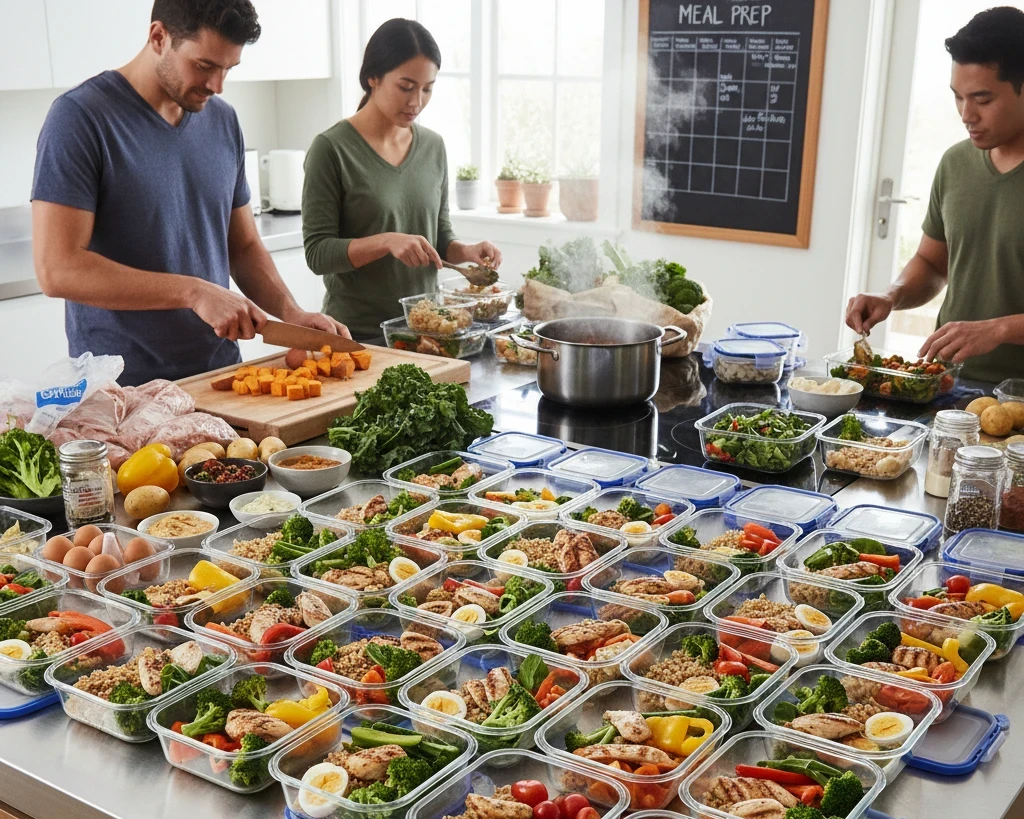
Embracing Whole Grains and Lean Proteins
Whole grains and lean proteins are game changers when it comes to eating clean. Make sure you’re picking whole-grain options like breads, pastas, rice, and crackers. They should say ‘whole’ right on the label, front and center—these are the ones packed with nutrients that keep you going.
These whole grains do much more than just fill you up. They support digestion and deliver a steady stream of energy, so you’re not just reaching for that mid-afternoon snack out of habit.
When it comes to proteins, the leaner, the better. Poultry, fish, and lean meat are your best bets. These provide essential nutrients without the added fat, helping build muscle and keep you strong.
Prepping these proteins means trimming visible fat and taking the skin off poultry. It’s an easy way to cut back on unwanted calories while still delivering something delicious on your plate.
Pair these grains and lean proteins for balanced meals that hit all the right notes. They’ll not only satisfy hunger but also make sure you feel your best.
**Here’s a little transparency: Our website contains affiliate links. This means if you click and make a purchase, we may receive a small commission. Don’t worry, there’s no extra cost to you. It’s a simple way you can support our mission to bring you quality content.**