

When it comes to eating healthy, nutrient retention is one thing you can’t ignore. Preserving those essential vitamins and minerals isn’t just about checking boxes for a balanced diet; it’s about supercharging your meals. You want your food to fuel you efficiently without losing its punch before it hits your plate.
Some nutrients are notorious for being fragile. From vitamin C to the B vitamins, these guys can escape right out of your pan if you’re not careful. Minerals like potassium and calcium can also take a hit during certain cooking methods. Getting the benefits of what you eat starts with understanding how these nutrients can vanish in the first place.
There are heaping benefits to keeping those nutrients packed into your meals. A nutrient-rich diet boosts everything from your immune system to your mood. It’s like adding an extra layer of armor to your overall health. When you know how to keep the good stuff in, you’re setting yourself up for success through better digestion, improved energy levels, and even sharper mental focus.
Top Nutrient-Preserving Cooking Techniques
When it comes to holding onto nutrients, how you cook your meals makes a big difference. Some methods are like an open invitation for nutrients to stick around rather than vanish down the drain.
Steaming is front and center as a top choice for nutrient retention. It keeps your veggies vibrant and full of their natural goodness. The great thing about steaming is it exposes the food to minimal water and just the right amount of heat, striking a balance that keeps those essential vitamins intact. Plus, you get to enjoy the natural flavors without extra grease or seasonings.
Then, there’s the stylish sous vide method. This technique involves cooking food in a vacuum-sealed bag at precise, low temperatures for longer periods. It’s like giving your meals a cozy stay in a nutrient-friendly sauna. While it does need some equipment and patience, the result is tender, flavor-packed food that holds onto every bit of its original nutrients.
Boiling often gets a bad rap if overdone because it can cause nutrients to leach out into the water. But blanching, which is a quicker version where food is plunged into boiling water just briefly, can preserve color, texture, and nutrition, especially if you shock it in cold water right after.
Exploring these methods provides you with the options to keep your foods nutritious without losing taste. It’s about finding what works best for your lifestyle while keeping an eye on health priorities.
Gentle Heat: The Role of Temperature in Nutrient Preservation
High temperatures can be a nutrient’s worst enemy, particularly if you’re in the habit of cranking up that heat. Heat-sensitive vitamins like B and C wave goodbye pretty quickly once temperatures start soaring. Staying mindful of how hot your flame is can make a significant difference in what’s left for your body to absorb.
Cooking at a gentler, lower temperature allows nutrients to chill and stay intact for longer. Simmering over a low flame or opting for slow cooking methods can help in keeping nutrients safe from hot, nutrient-evaporating conditions. Think of it as a warm bath rather than a scorching sunbath; the nutrients just won’t take the heat!
Understanding the science of nutrient degradation ties into controlling temperature well and using it to your advantage. Not every meal requires maximum heat, and sometimes less is more, especially when the aim is to retain maximum nutritional value of your grub.
Cooking with lower temperatures doesn’t mean compromising on taste or texture. The result can be meals with more nuance and flavor since retaining moisture often enhances the overall mouthfeel and taste of your dish. So, experiment a little with your stew or that piece of fish; opt for lower settings and keep more of the good stuff in your plate.
Avoiding Nutrient Loss: Methods and Practices to Limit
When cooking, some methods are notorious for sending nutrients down the drain—literally. Frying, unfortunately, tops the list. The high heat not only depletes vitamins but also adds unhealthy fats, changing your food’s original nutrient profile. If fried food is what you crave, consider options like air frying that use less oil and gentler heat.
Microwaving has often been misunderstood when it comes to nutrient retention. Despite its bad rap, it can actually preserve nutrients efficiently, especially when used for short bursts. It’s not the enemy; rather a quick, easy way to whip up something nutritious when used properly.
Antioxidants in your spices and herbs can play a part in preventing nutrient loss. These little powerhouse ingredients not only enhance the flavor of your meals but also help keep vitamins and minerals intact. Mix in colorful, fragrant spices like turmeric and ginger, keeping nutrient degradation at bay while adding complexity to your dishes.
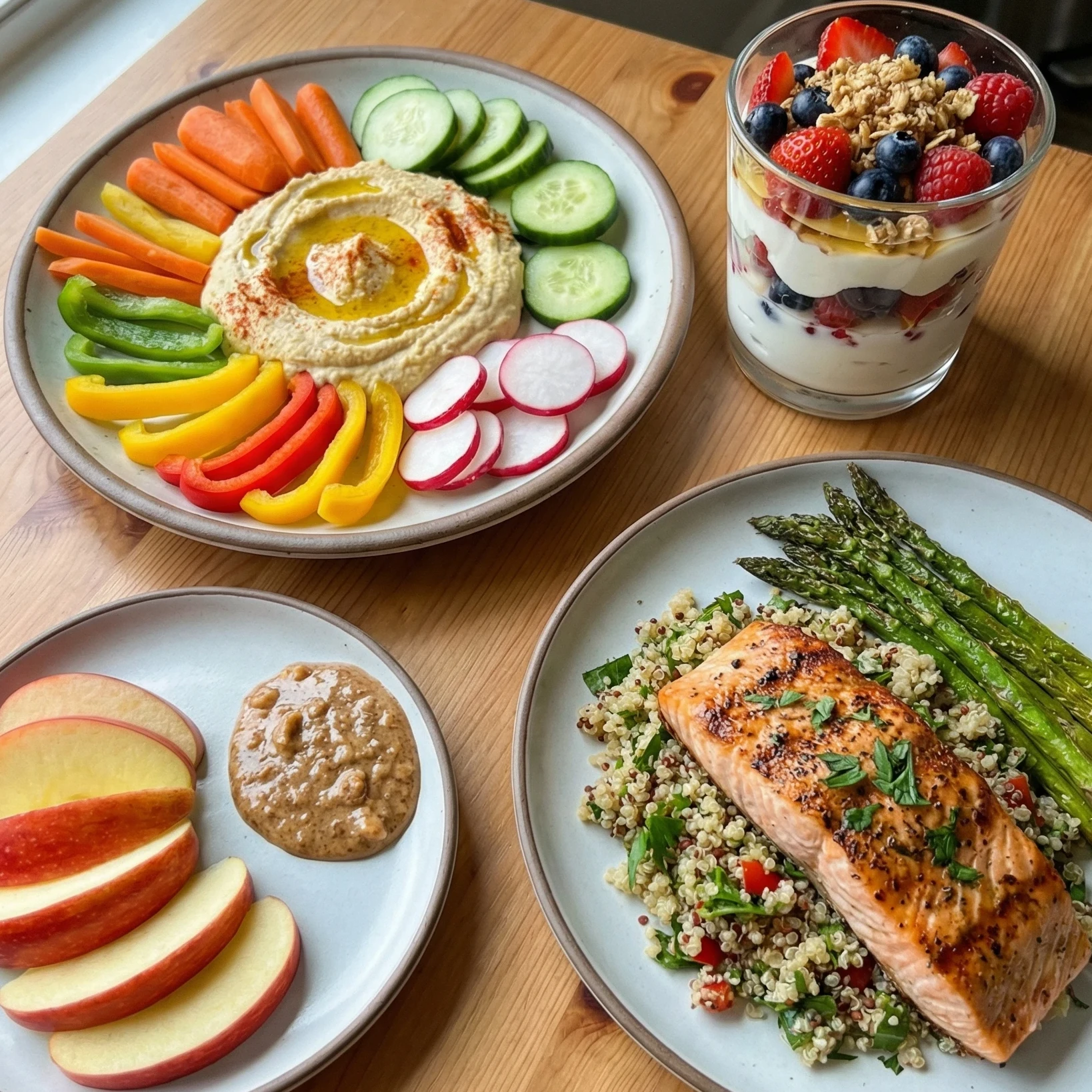
Practical Tips for Everyday Cooking: Boosting Nutrient Intake
To keep the nutrients flowing through your meals, adding herbs and spices is a clever trick. They spice things up without sidestepping the nutrient count. You can make a simple dish burst with personality and goodness with the right sprinkle.
Timing is everything when cooking. Overcooking might leave you with mushy veggies and a shrunken list of nutrients. Aim to cook just enough to soften your ingredients while holding onto their vibrant colors and crunchiness.
For a quick nutrient fix, whip up recipes that focus on speed and freshness. Stir-frying is a fantastic option, keeping veggies bright and crisp with minimal cook time. You’ll find yourself with a meal that’s both tempting to the taste buds and loaded with nutrition.
When making meals, think variety. Including different textures and flavors from a range of ingredients not only keeps dinner interesting but also ensures a wider spectrum of nutrients. It’s all about having a feast for the senses that nourishes all the way.
Embracing a Nutrient-Rich Diet: Beyond Cooking
Keeping those nutrients packed into your meals isn’t only about how you cook but also what leads up to it. Smart meal planning plays a big role in nutrient retention. Prepping your groceries with thought means choosing fresh, whole ingredients that make the base for a nutritious feast.
Food combinations can amp up the nutrient value of each meal. Pairing foods that work well together enhances absorption. Think of citrus fruits boosting iron from your greens or combining healthy fats with vitamin-packed veggies for better uptake.
Whole foods are your best friends when striving for a nutrient-rich diet. They bring more to the table than just taste—they have fiber, vitamins, and minerals straight from the source. Lean into foods in their most natural state more often to fill your plate with goodness.
The journey to a healthier you lies not just in how dishes are created but in the choices made every step of the way. By focusing on meal planning, using complementary food pairings, and centering your diet around whole foods, you’ll be reveling in nutritional triumphs that go beyond the kitchen.